
Since 1988, StarDusters has focused on serving the Triangle Ballroom Dance community by providing an exceptional monthly dance experience available to ballroom dancers of all skill levels.
founding of stardusters
Triangle StarDusters was founded in Durham, North Carolina in the fall of 1988. The first official dance was held on October 22, 1988, at the gymnasium of Immaculate Conception Catholic Church on Chapel Hill Street in Durham.
The idea for the organization emerged in September 1988 when a small group of ballroom dance enthusiasts recognized that there were very few opportunities for social ballroom dancing in the Triangle area outside of private dance studios. Dancers who wanted to practice or socially dance ballroom styles generally had to remain within the studios where they took lessons.
The original founders organized a social dance club intended to provide regular ballroom dance opportunities, build a social dance community, and encourage ballroom dancing throughout the Triangle area. The founders rented the church gymnasium and advertised the first dance using flyers placed under windshield wipers, notices distributed to dance studios, small newspaper event listings and word of mouth.
The response exceeded expectations. More than 100 people attended the first dance, confirming strong interest in social ballroom dancing in the region. Within approximately three months, the club reportedly had about sixty members.
The StarDusters’ Name
The name “Triangle StarDusters” was created by Helen Braswell and LaVern Wade. “Triangle” referenced North Carolina’s Research Triangle region, while “StarDusters” reflected imagery associated with ballroom dancing and classic dance-era music. Members also associated the name with the famous ballroom standard “Stardust.”
The club’s logo — dancers surrounded by stars within a triangle — was developed in the early years and remained the organization’s recognizable symbol for decades.
Our Venues Over the Years
The Immaculate Conception Catholic Church in Durham served as the club’s original and longest-running early venue. The space was large and capable of accommodating over 100 dancers.
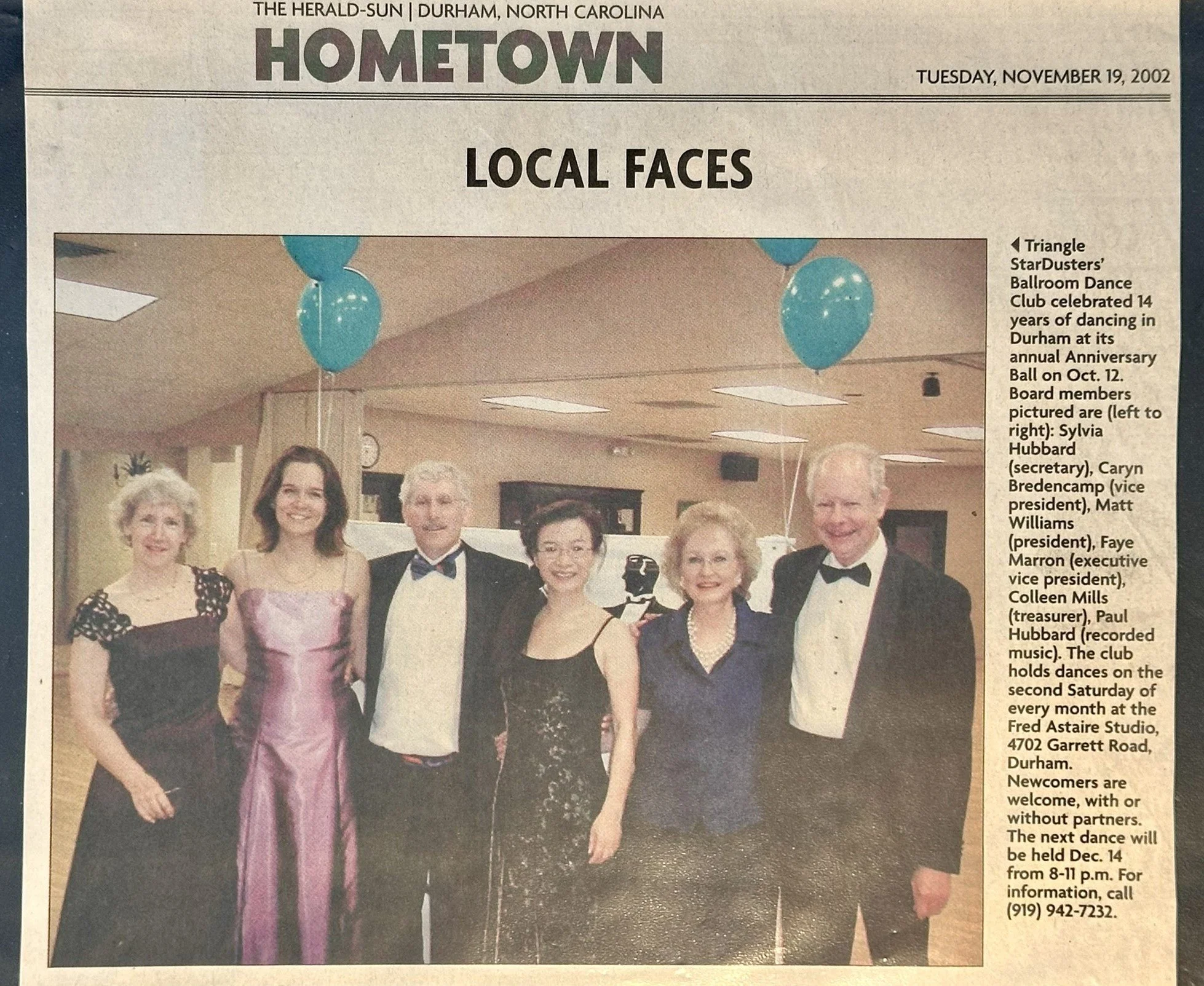
After leaving Immaculate Conception Church, the club used several temporary locations before settling at the Fred Astaire Dance Studio on Garrett Road. The studio became home to StarDusters for several years.
In 2011 the club moved to the Carrboro Century Center, where it has remained ever since. Some members initially worried that the ballroom would be too small, but it ultimately proved to be an excellent venue. The Century Center ballroom featured a sprung hardwood dance floor, originally funded and built in 2000 largely through fundraising efforts by local contra dance organizations. The Century Center has become the longest-running modern home of Triangle StarDusters.
Early Dance Culture
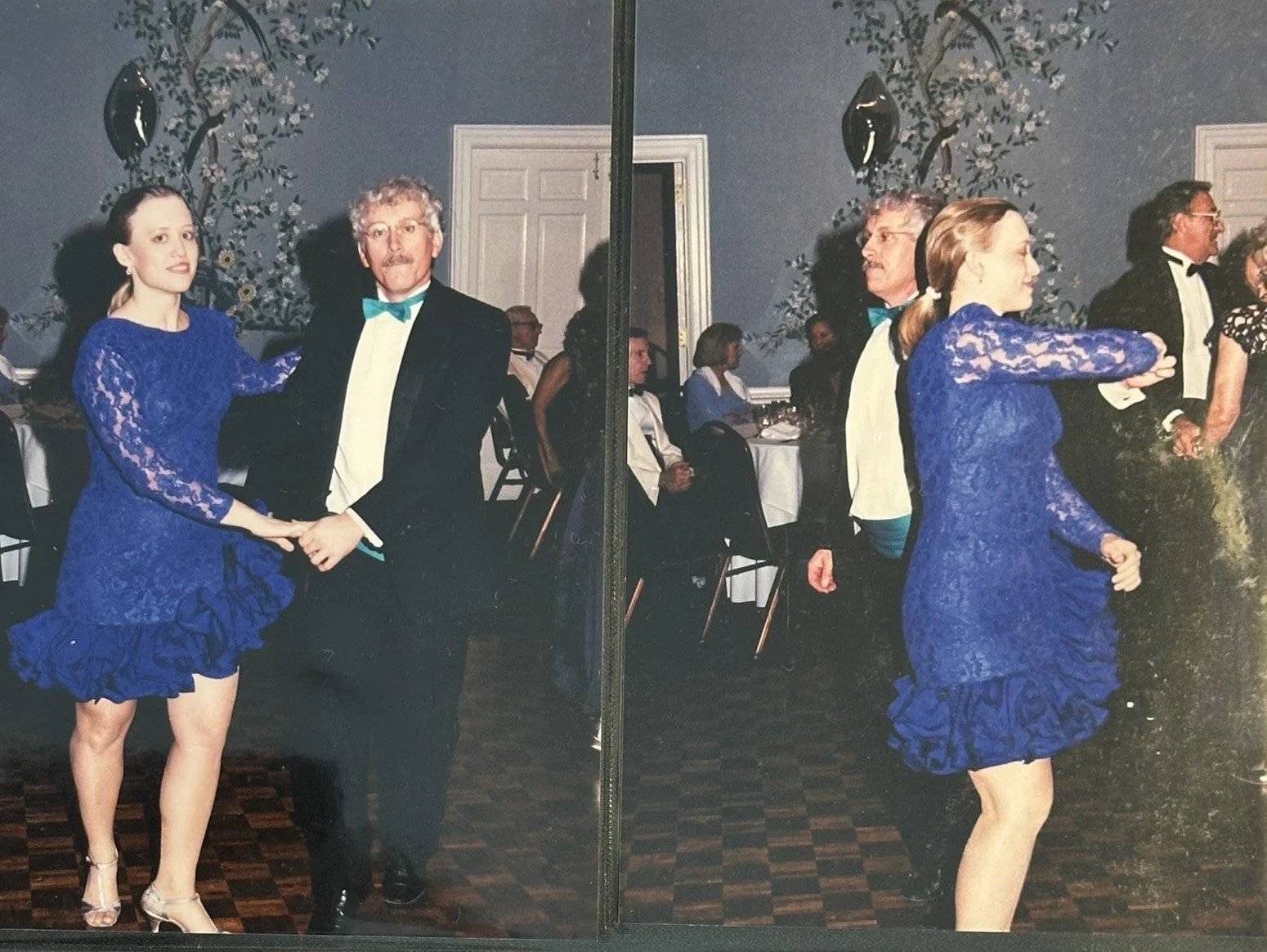
The early StarDusters dances reflected the ballroom culture of the late 1980s and early 1990s. Dances were often elegant social occasions with the dance floor decorated for each event. Many dancers wore evening attire, and refreshments and hors d’oeuvres were provided. The club operated as a BYOB social dance environment and supplied set-ups and snacks.
From the beginning, the club emphasized friendliness, inclusiveness, partner rotation and welcoming support for new dancers. Experienced dancers were encouraged to dance with newcomers, helping to create a supportive atmosphere that became a defining feature of the organization.
Music and Dancing
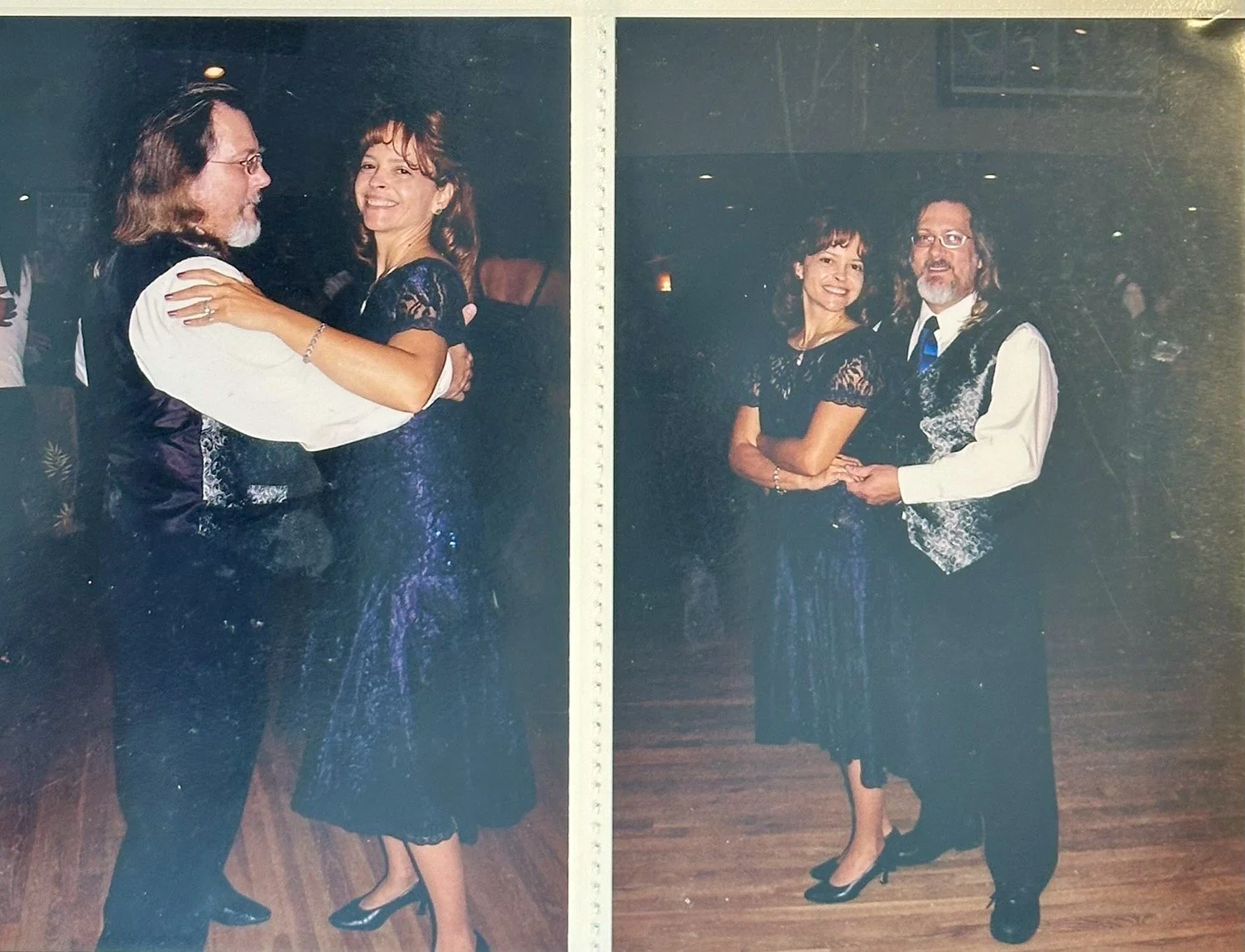
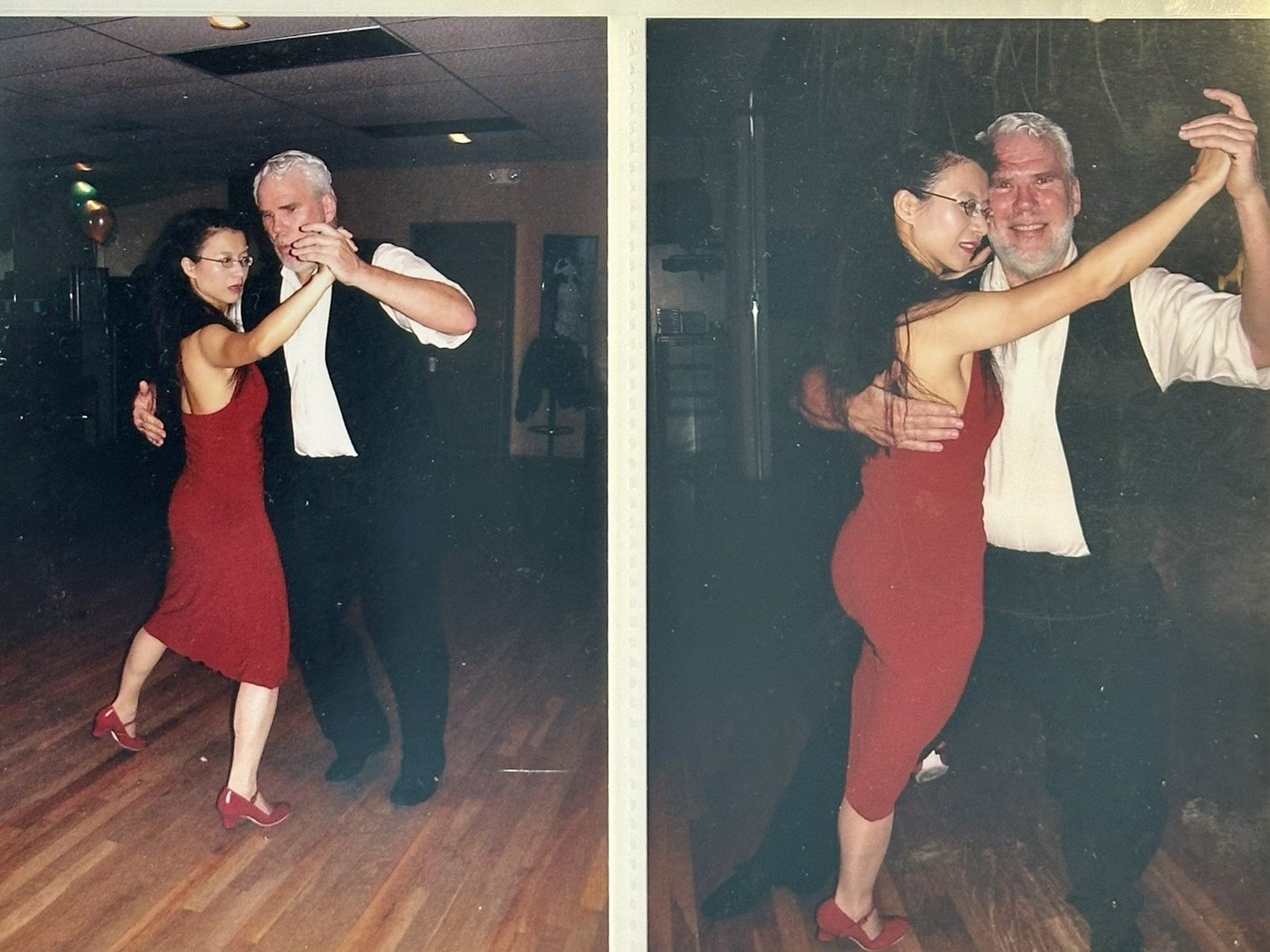
The club focused primarily on traditional ballroom dancing styles, including waltz, foxtrot, tango, cha cha, rumba and swing with additional dances occasionally appearing in the music rotation: polka, west coast swing, bolero, jive and paso doble. Mixers became a regular feature of club dances and have remained part of our dance format.
Early dances frequently featured live music. One of the earliest bands was The Golden Tones. Other groups participating over the years included Sentimental Journey, Leon Jordan combos, Swing Shift and Tom, a one-man performer. The first club DJ was Ed Yung, later followed by Paul Hubbard.
Over time, the club gradually shifted toward recorded music because dancers increasingly preferred music that was easier and more consistent for ballroom dancing.
Growth and Community Impact
Triangle StarDusters quickly became an important part of the local ballroom dance community.
In the late 1980s and early 1990s, there were relatively few ballroom dance opportunities in the Triangle region. Dancers frequently traveled significant distances to attend StarDusters events.
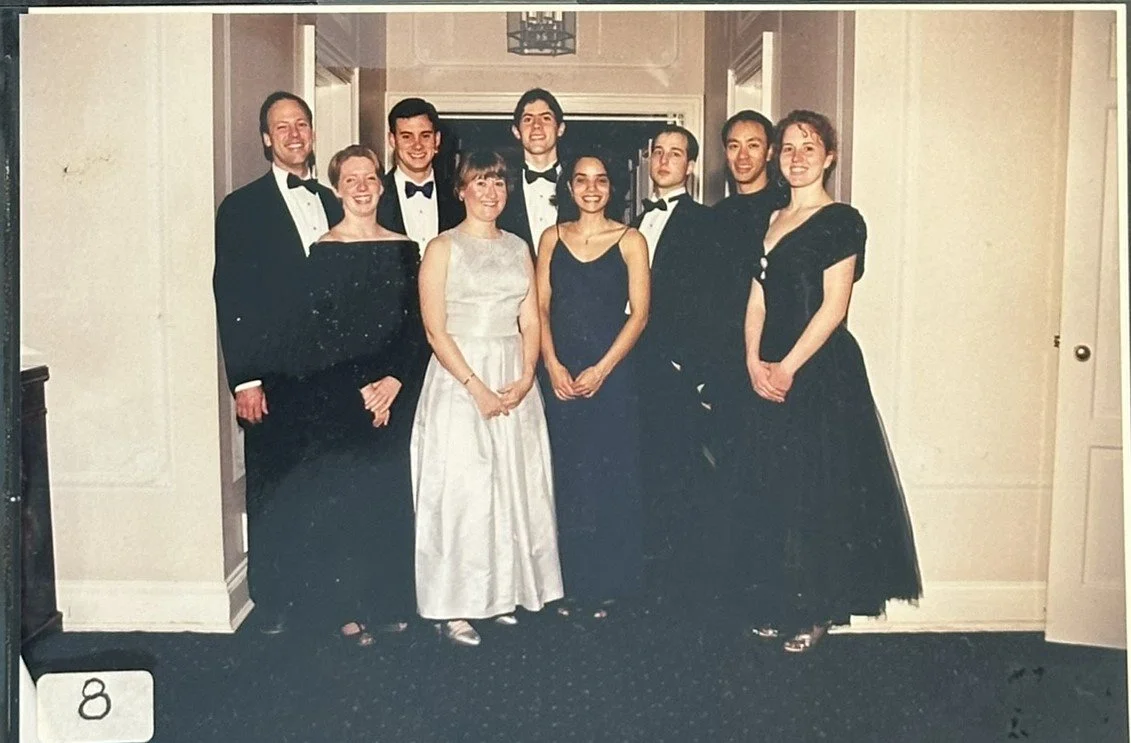
The organization also helped foster growth in collegiate ballroom dancing among the UNC Ballroom Dance Club, the NCSU Dance Club, and regional ballroom organizations connected with USABDA (later USA Dance).
The club also supported early ballroom competitions in the Triangle area, including the first USABDA competition held at the Durham Armory in September 2000.
Over the years, Triangle StarDusters maintained ongoing relationships with university ballroom programs, and some former student dancers later became board members themselves.
Anniversary Balls and Formal Events
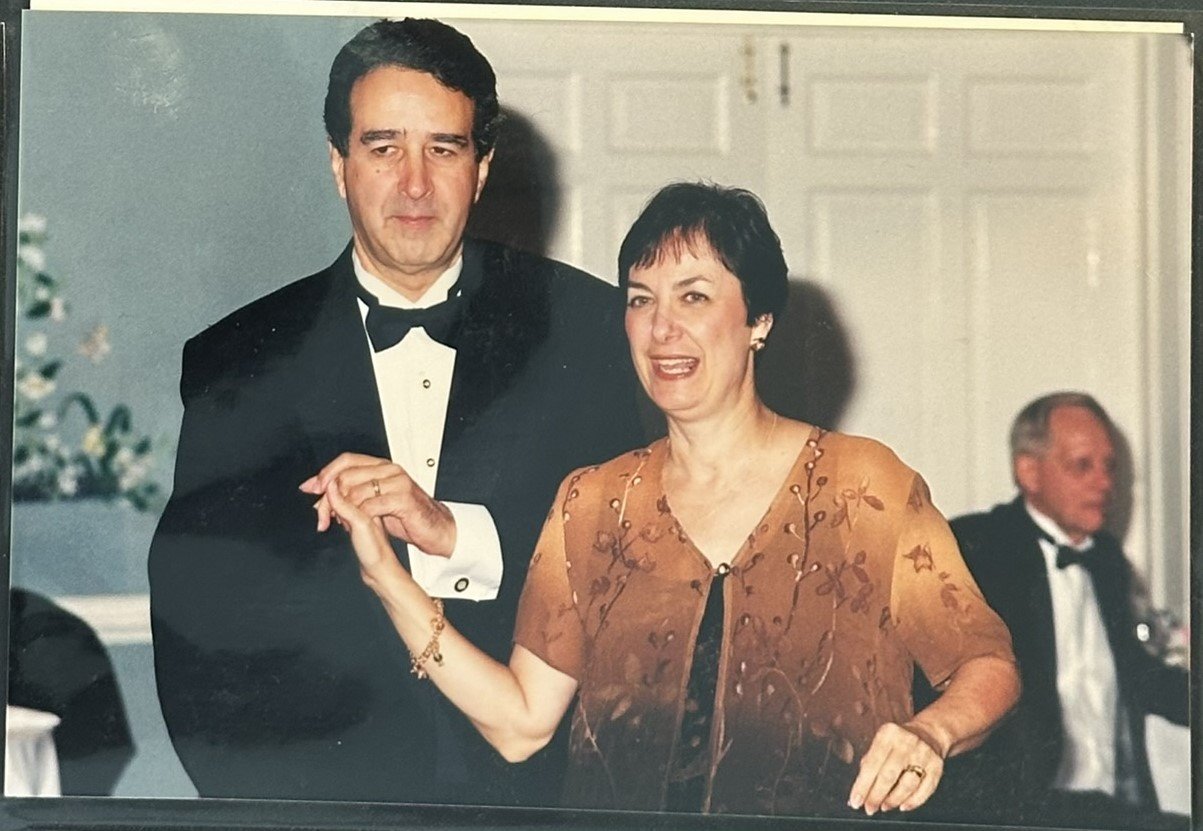
One of the club’s major traditions was its annual anniversary dance. For many years, these events were held at Croasdaile Country Club in Durham and featured formal attire, catered dinners, and live bands. Attendance at early anniversary balls often exceeded 100 dancers, and waiting lists were sometimes necessary.
These events represented a high point of the traditional ballroom culture that characterized the club’s early decades. Over time, however, attendance at formal dinner dances gradually declined as social dance culture evolved and dancers increasingly preferred more casual formats focused primarily on dancing itself.
Organizational Structure and Membership
Triangle StarDusters began as a traditional membership organization in which members paid annual dues and received newsletters, participated in elections, voted on organizational matters and helped shape club activities. Early fees were a $25 annual membership and $5 admission each dance.
Board positions originally included President, Vice President, Treasurer, Secretary, and Sergeant-at-Arms. Additional roles evolved later, including newsletter editor, communications coordinator and quartermaster responsibilities. The organization has depended heavily on volunteers throughout its history.
founding officers and charter members
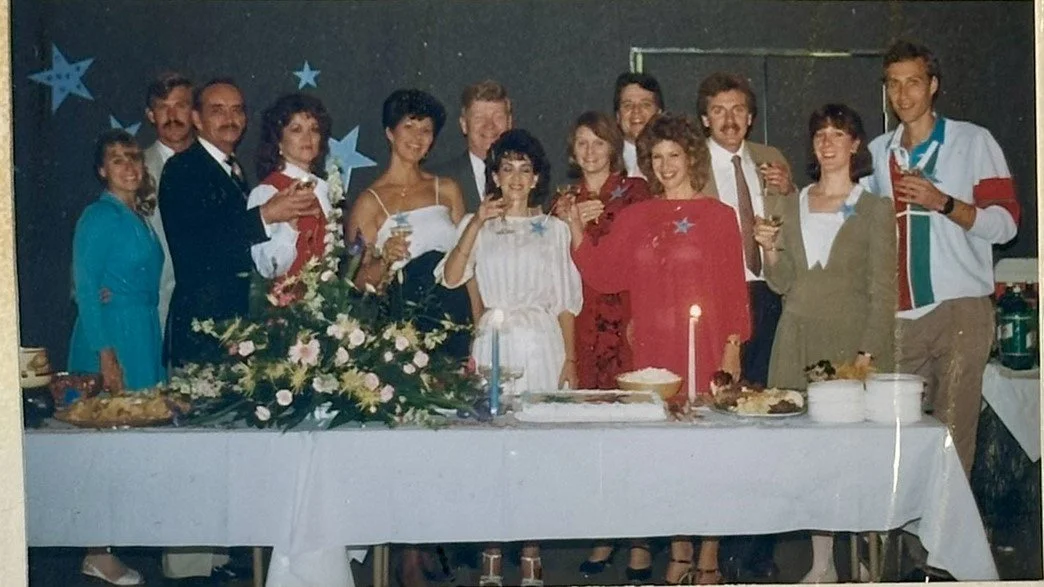
Al Becker — President
Anita Osbourn — Vice President
Scott Osbourn
Nada Garhart — Treasurer
Helen Braswell — Secretary
LaVern Wade
Jim Reddick
Bill and Gail McMurray
Shirl and Gene Turpin
Meg and Cameron Binnie